Winter Wellness: Natural Ways to Support Your Immune System This Cold and Flu Season
Colds and flu are hard to dodge completely when the weather cools, but a few simple daily habits can give your immune system the best chance of keeping you well, and help you bounce back faster if you do get sick.
Why we catch more bugs in winter
In the cooler months we spend more time indoors, closer together, with the windows shut. Viruses spread easily in these conditions. We also tend to not sleep as well, move less, see less sunshine and reach for more comfort food.
Your immune system is your best defence against infection. It isn't a single organ you can "switch on" but a whole network of cells and signals that depends on good sleep, nourishing food, movement and manageable stress. Look after those foundations and your body is far better equipped to do its job.
Start with the foundations
Supplements get the headlines, but lifestyle does most of the heavy lifting.
Prioritise sleep. Aim for 7 to 9 hours a night. Research has found that people sleeping under 6 hours were around four times more likely to catch a cold when exposed to the virus than those sleeping 7 or more.
Stay hydrated. It's easy to drink less when it's cold. Warm water with lemon, herbal teas and broths all count.
Keep moving. Regular moderate exercise, like a brisk walk along the beach, supports healthy immune function. Save the very intense sessions for when you're feeling well.
Manage stress. Ongoing stress raises cortisol, which can dampen immune responses. Build in time to switch off, whether that's breathwork, yoga, a walk or time with friends.
Get some sunshine. Morning sun helps your body make vitamin D and supports your sleep–wake rhythm.
Wash your hands. Simple, but one of the most effective ways to avoid picking up a virus. Wash for 20 seconds, especially before eating and after being out.
Eat to support your immune system
A varied, colourful, whole-food diet gives your body the vitamins and minerals it needs to fight infection. These nutrients deserve special attention in winter.
Vitamin C: Supports the function of immune cells; regular intake may modestly shorten how long a cold lasts. This can be found in citrus, kiwifruit, capsicum, broccoli, strawberries, parsley
Zinc: Essential for immune cell development; zinc started within 24 hours of symptoms may shorten a cold. Can be found in oysters, red meat, pumpkin seeds, chickpeas, lentils, cashews
Vitamin D: Helps regulate immune responses; levels often dip in winter. Can be boosted by sunshine, oily fish, eggs, UV-exposed mushrooms
Selenium: Supports antioxidant defences. Found in brazil nuts (just 1–2 a day is plenty), seafood, eggs
Garlic: Traditionally used for its antimicrobial properties; some early studies suggest fewer colds with regular intake. Found in fresh garlic, for best effect crush and leave for 10 minutes before cooking
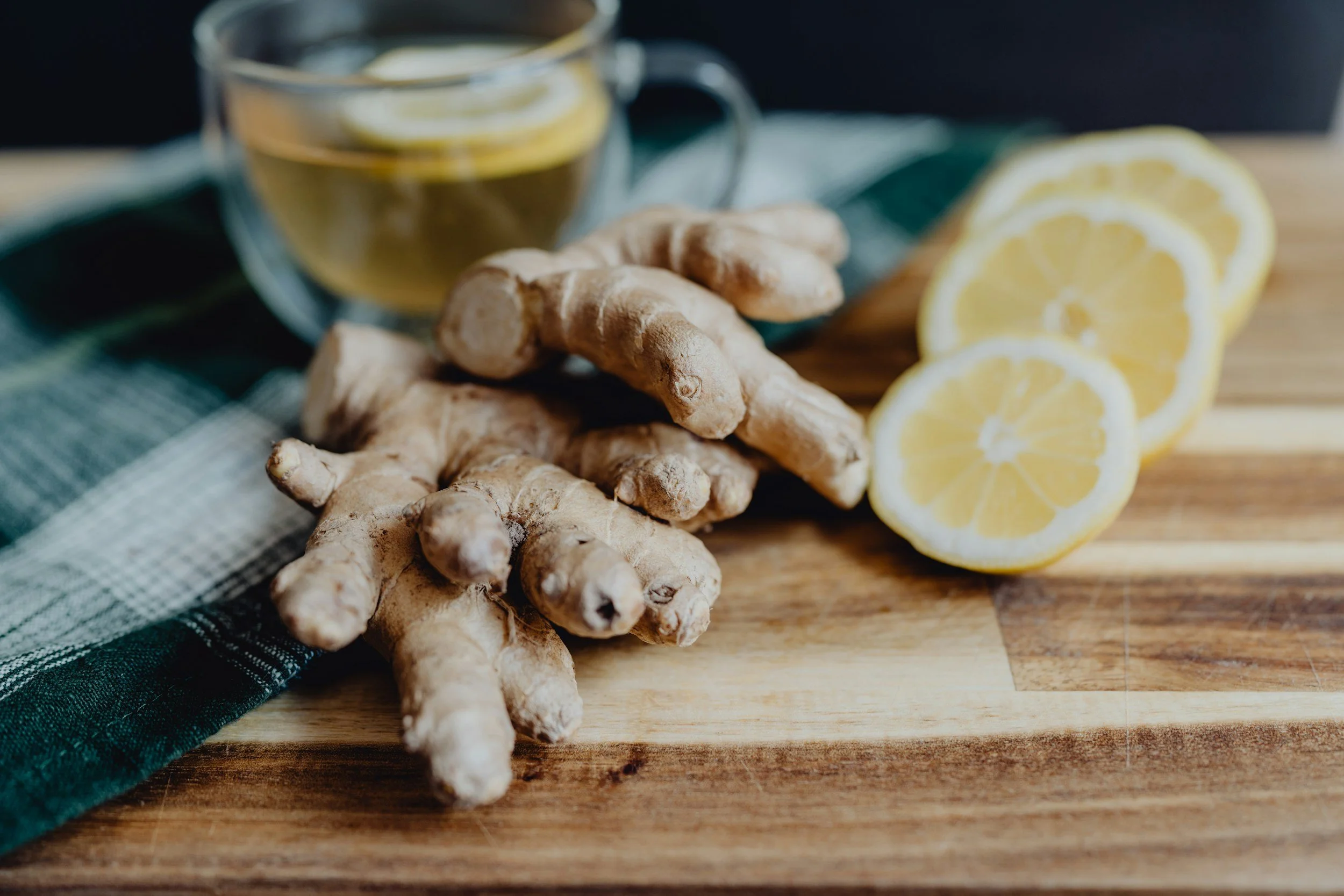
Ginger: Warming and anti-inflammatory; soothing for sore throats and nausea. Enjoy fresh ginger tea with lemon and honey
Probiotic foods: Around 70% of the immune system sits in the gut, so a healthy microbiome matters. Include yoghurt, kefir, sauerkraut, kimchi, miso
Foods to limit
Foods high in refined sugar, processed fats and alcohol can promote inflammation and may reduce immune function, leaving you more vulnerable to the bugs going around. Choose warming soups, stews, roasted vegetables and legumes instead. They're comforting and nourishing.
A note on supplements
Food comes first, but targeted supplements can help fill the gaps, especially if your diet is limited or you're run down. Doses and combinations matter, and some supplements interact with medications, so it's best to get personalised advice rather than guess.
If you do catch a cold
The most important things are rest and fluids. Your body needs energy to clear the infection, so give it permission to slow down.
Rest. Take time off where you can. Pushing through tends to drag a cold out, and staying home helps protect the people around you.
Hydrate. Fever, a runny nose and dry indoor air all increase fluid loss. Sip water, herbal teas and broths through the day.
Keep eating well. Even if your appetite is low, small, nourishing meals give your body the fuel and nutrients it needs to recover. Chicken or vegetable soup with garlic, ginger and greens is a classic for good reason.
Soothe your symptoms. Try a warm honey, lemon and ginger drink for a sore throat or cough. Steam inhalation for congestion, and a salt-water gargle.
Consider herbal support. Herbs such as echinacea and elderberry have traditionally been used during colds and flu. They aren't right for everyone, so check with a qualified practitioner, particularly if you're pregnant, breastfeeding or taking medication.
Build your winter resilience with Balanced Health
Everyone's immune system is different. Your diet, stress levels, sleep, gut health and medical history all play a part. Our naturopaths and nutritionists can help you build a personalised winter wellness plan, check for nutrient gaps and recommend practitioner-quality support that's safe alongside any medications you take.
Book an appointment with our team in Coolangatta or call the clinic to find out more. Let's get you through winter feeling your best.
Written by Sarah Franklin, naturopath, nutritionist and registered nurse. Learn more about our consultations, including fees and health fund rebates.
This article is general information only and isn't a substitute for personalised medical advice. Always speak with your healthcare practitioner before starting new supplements.
