Your Post-Christmas Reset: A Gentle 2-Week Plan to Feel Back on Track
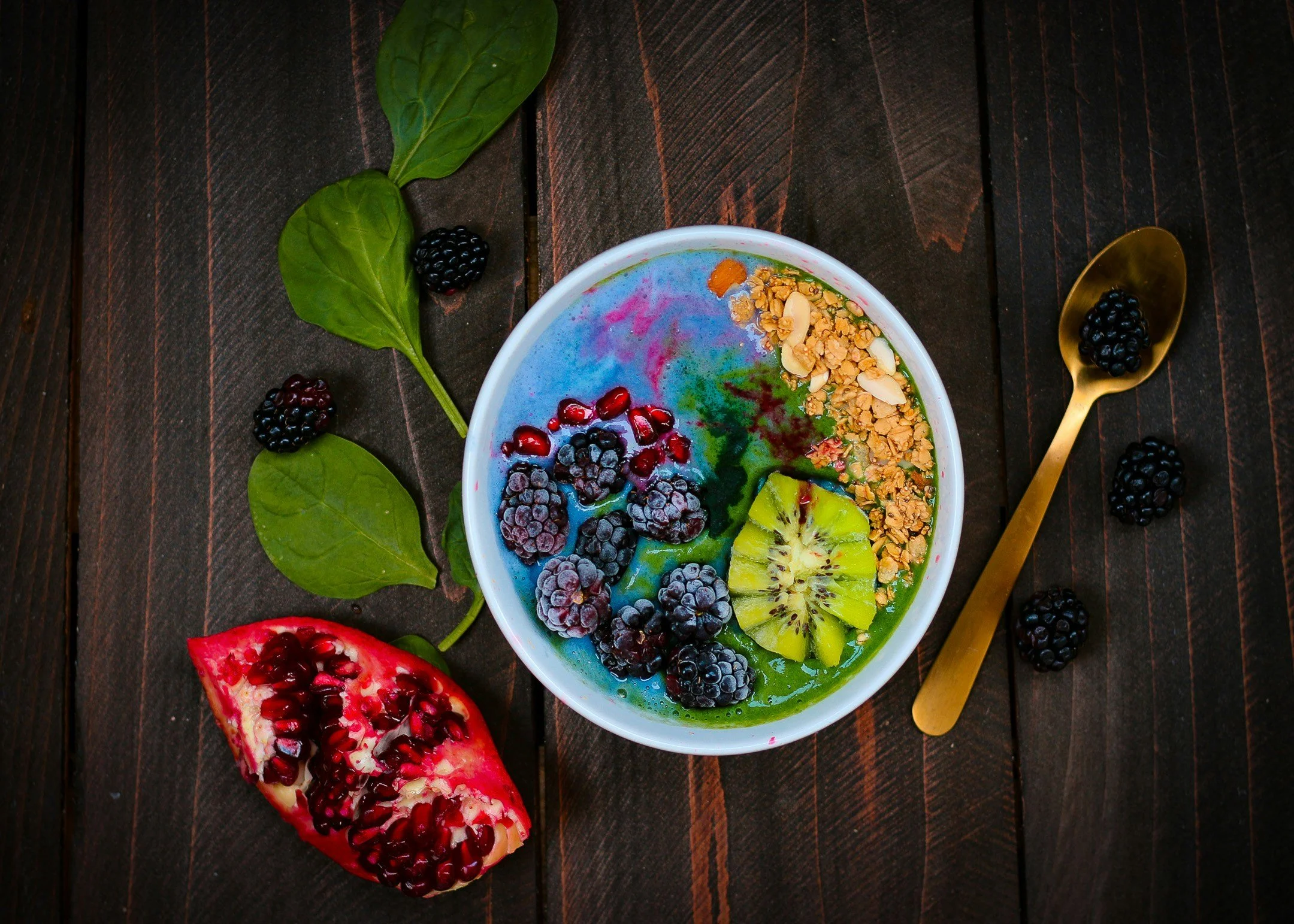
Between the Christmas ham, the pavlova, the extra drinks and the late nights, most of us finish the festive season feeling a little sluggish. That's normal, and there's no need for guilt.
If you'd like to start the new year feeling lighter and more energised, a gentle two-week reset can help. It's not about starving yourself or expensive detox kits. It's about giving your body what it needs to do the job it's already designed to do, and breaking the sugar cravings that often creep in over the holidays.
Your body's own detox system
Your body is already very good at clearing waste. Several organs work together every day:
Liver: processes alcohol, hormones, medications and by-products of metabolism so they can be removed. It relies on nutrients such as protein, B vitamins and antioxidants to do this well.
Kidneys: filter your blood and remove waste through urine, which is why hydration matters.
Gut: removes waste through regular bowel movements, and fibre keeps things moving.
Lungs and skin: also play a role, through breathing and sweating.
A reset simply supports these systems by reducing the load (less alcohol, sugar and processed food) and increasing the nutrients they rely on.
The 2-week reset plan
Follow as many of these as you can for two weeks. You don't have to be perfect.
Drink plenty of water. We know we harp on about it, but water is the foundation of any reset. It helps your kidneys flush waste and keeps your bowels regular. Aim for 8 glasses a day, more in summer heat. Herbal teas and water with lemon count.
Cut out added sugar for at least a week. Skip lollies, soft drinks, desserts and sweetened snacks. Whole fruit is fine and helps curb cravings. Keep honey to small amounts, as it's still a sugar.
Balance your blood sugar. Include protein (eggs, fish, chicken, legumes, tofu) and healthy fats (avocado, nuts, olive oil) at every meal. This keeps your energy steady and is one of the best ways to beat sugar cravings.
Boost your fibre. Fill half your plate with vegetables, and add wholegrains like brown rice and oats, legumes, fruit, and seeds like chia and flaxseed. Fibre supports healthy digestion and regular bowel habits.
Eat liver-loving foods. Broccoli, cauliflower, cabbage, brussels sprouts and rocket contain compounds that support the liver's natural processing. Bitter greens, beetroot, garlic, onions, turmeric and lemon are great additions too.
Get your vitamin C and antioxidants. Colourful fruit and vegetables such as berries, citrus, kiwifruit and capsicum provide vitamin C and other antioxidants that help protect your cells.
Give alcohol a break. Two weeks alcohol-free gives your liver a well-earned rest, and most people notice better sleep and energy.
Move and sweat. Daily movement supports circulation, digestion and mood. A beach walk, swim, bike ride or yoga class all count.
Prioritise sleep. Your body does much of its repair work overnight. Aim for 7 to 9 hours.
Enjoy some self-care. Dry skin brushing before your shower is a lovely way to exfoliate and invigorate your skin, and many people find it energising. A salt bath or a sauna session can also be a relaxing part of your reset.
A sample reset day
On waking: Warm water with lemon
Breakfast: Two eggs with spinach, mushrooms and avocado on sour dough toast, or overnight oats with chia, berries and Greek yoghurt
Morning snack: An apple with a small handful of almonds
Lunch: Big salad with rocket, roast beetroot, chickpeas, pumpkin seeds and grilled chicken or tofu, with an olive oil and lemon dressing
Afternoon snack: Veggie sticks with hummus, or a green smoothie
Dinner: Grilled fish with brown rice and steamed broccoli, or a vegetable and lentil curry
Evening: Herbal tea, such as peppermint, dandelion or chamomile
Keep it gentle
This reset is about adding nourishing foods, not extreme restriction. Avoid juice-only fasts or skipping meals, which can leave you tired, irritable and more likely to crave sugar.
Start the year feeling your best
If you'd like more support, our naturopaths and nutritionists can create a personalised plan to suit your body, health goals and lifestyle, and help you build habits that last well beyond January.
Book an appointment with the Balanced Health team in Coolangatta today.
Written by Sarah Franklin, naturopath, nutritionist and registered nurse. Learn more about our consultations, including fees and health fund rebates.
This article is general information only and isn't a substitute for personalised medical advice. Always speak with your healthcare practitioner before starting new supplements or making significant changes to your diet.
